An Ayl'win'
for Democracy
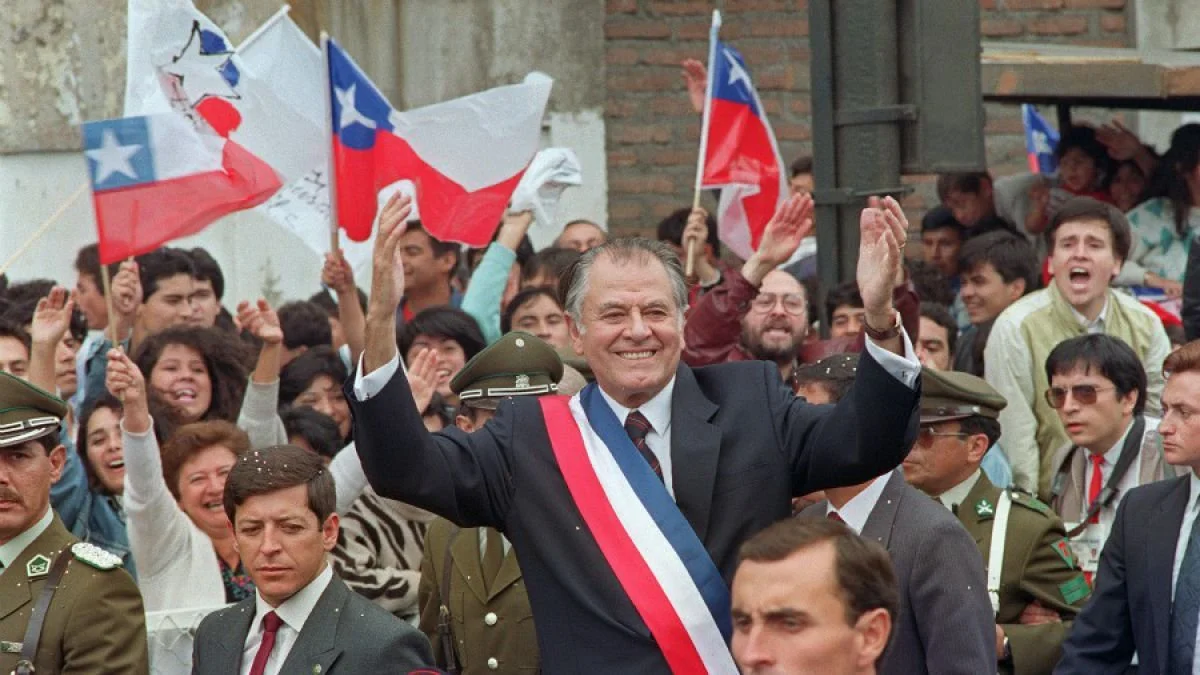
The Cabinet of Patricio Aylwin, 1990
The fate of Chile is now in your hands, delegates!
“Do whatever it takes to rebuild the nation after nearly 2 decades of authoritarian rule.”
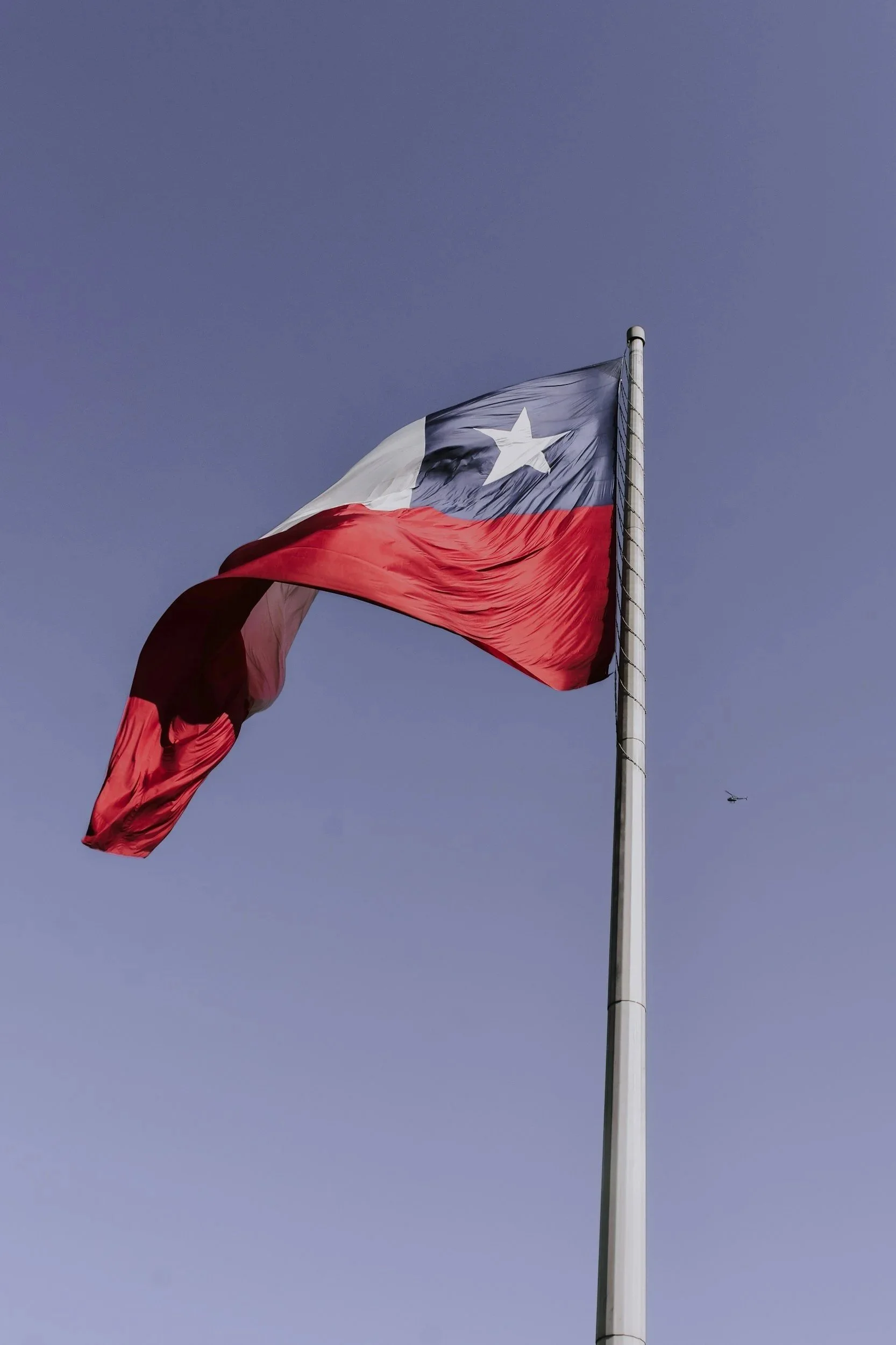
In the 20th century, Chile had enjoyed a long-lasting period of democracy, notably characterized by the diversity in the ideologies of the country’s four presidents from 1957 to 1973. In the tail end of this period, Salvador Allende would win the presidency as head of a coalition of leftist parties under the name Unidad Popular. His regime was characterized by nationalization of key industries such as the copper, textiles, and automobile sectors, drawing the ire of the United States and right-wing segments of the Chilean army.
This opposition would lead to the downfall of the Allende regime in 1973 at the hands of a military coup led by general Augusto Pinochet. What followed was a regime characterized by widespread authoritarianism, reversals of Allende’s economic policies, the banning of political parties and unions, censorship of the media, and the disappearances of thousands of dissenters. In addition, the Chilean constitution of 1980 penned by Pinochet granted legal cover for continued authoritarian rule and concentrated power in the presidency.
However, within that same constitution was the provision of a national referendum in 1988, which would determine whether Pinochet would pursue an additional 8 years of leadership. In a landmark decision, the “No” campaign ended up prevailing, with presidential and parliamentary elections being held on December 14, 1989, where the Christian Democrat candidate Patricio Aylwin would seize victory.
Now, it’s March of 1990, and Aylwin has just been sworn in. As cabinet members, notable officials, and prominent figures in Chilean politics and society, the task is to do whatever it takes to rebuild the nation after nearly 2 decades of authoritarian rule. Holding perpetrators of the Pinochet regime accountable alongside safeguarding a newly democratic society is priority number one. In addition, Aylwin continues to operate under Pinochet’s 1980 constitution, and despite leaving office, Pinochet still holds immense power as the country’s commander in chief. Furthermore, the committee must decide on ways to address ongoing economic inequality caused by the policies brought by the influence of the Chicago Boys during Pinochet’s regime. The fate of Chile is now in your hands, delegates!
Welcome to Chile
Holding perpetrators of the Pinochet regime accountable alongside safeguarding a newly democratic society is priority number one.
What will you do?
Meet the Team
-
![]()
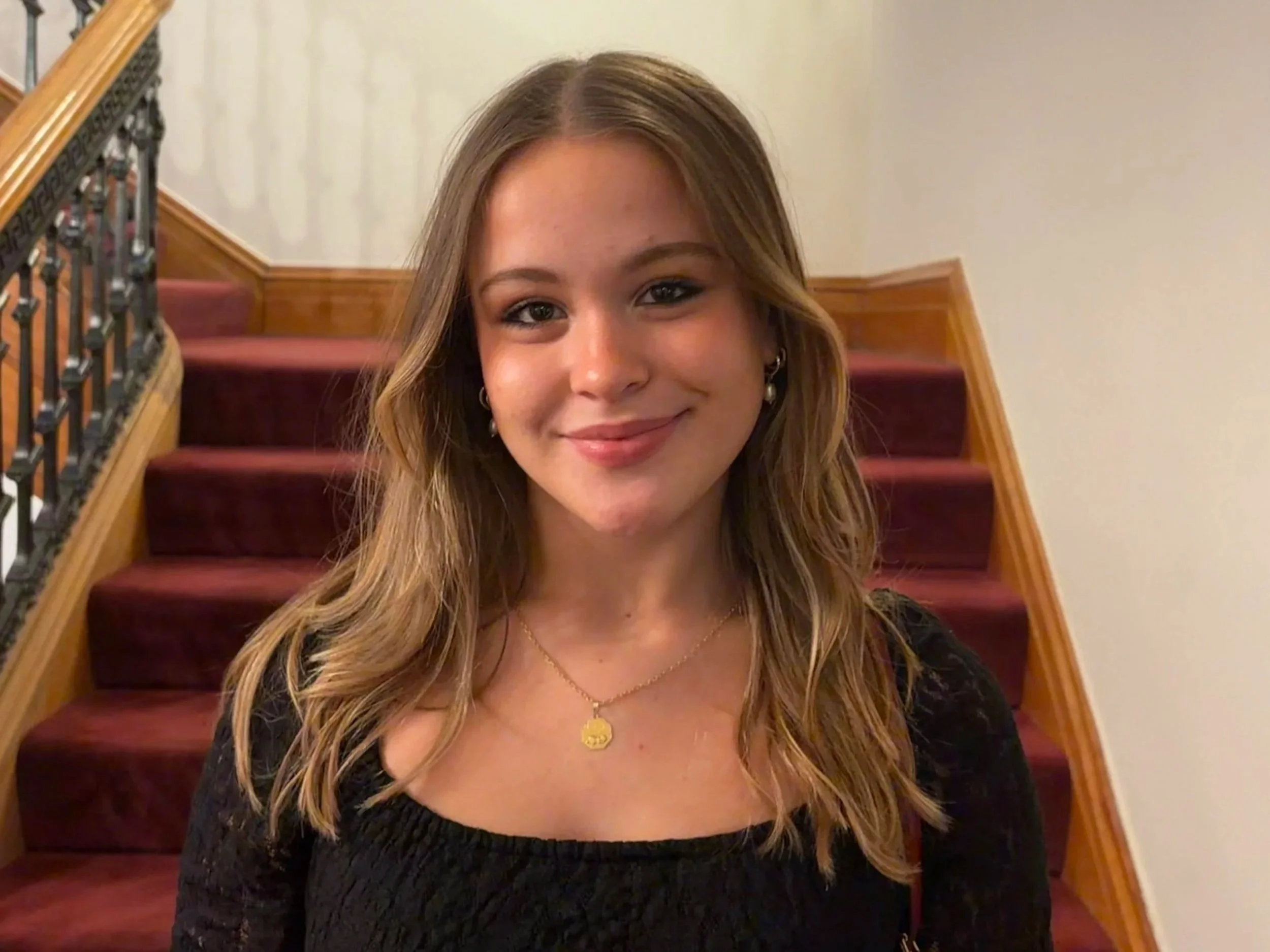
Laura Alcala Penelas
CHAIR
Laura Alcalá Penelas is a member of the Georgetown class of 2027 in the School of Foreign Service, where she studies International Politics with a minor in Global Development. She is actively involved in Model United Nations and has served as a Crisis Analyst and Crisis Manager at NCSC, Director and Chair at NAIMUN, and a Director at DistrictMUN. On campus, she is part of the European Club and leads the Embassy Committee, where she has organized events with diplomats and international representatives. She has also founded initiatives such as a First Generation Experience Mentorship program and a Women in Law club. This summer, she will be working at the Embassy of Spain, reflecting her strong interest in diplomacy and public service. Born and raised in Madrid to Cuban parents and later moving to Miami, she brings a cross-cultural perspective to her work. Her academic interests include international politics, migration, and global development. Outside of academics, she enjoys dancing, going to the beach, theater, coffee, animals, and playing volleyball. She is excited to work with delegates as they navigate the challenges of Chile’s democratic transition in the Cabinet of Patricio Aylwin.
-
![]()
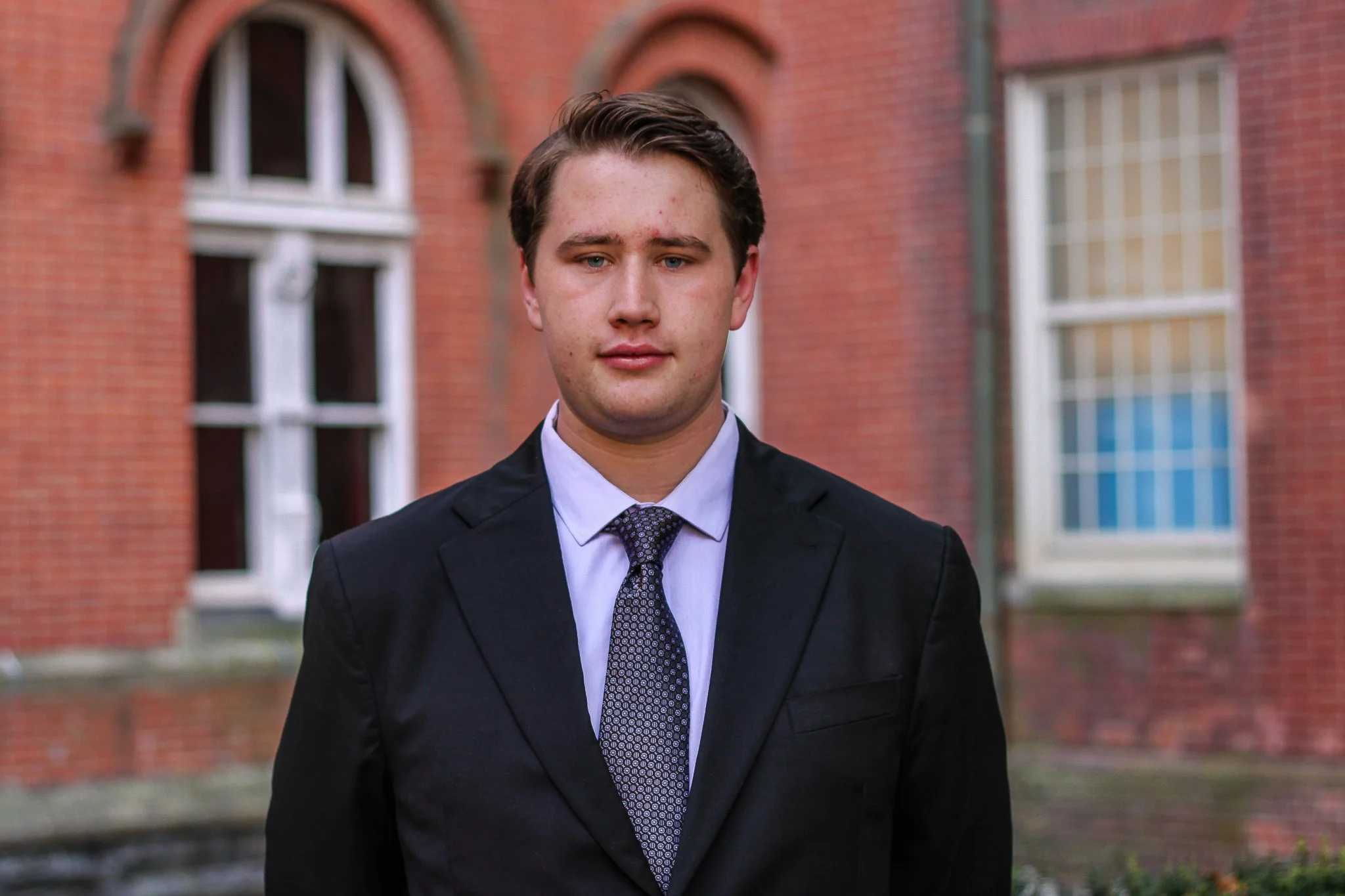
Jack Williard
CRISIS MANAGER
Jack is a member of the Georgetown Class of 2028 studying Neurobiology and Spanish on the pre-med track. A former delegate, he served as Director for the Spanish Bilingual Committee at NCSC LIII and has worked as an Under-Secretary-General, Chair, and Crisis Manager at NCSC’s sister conferences for middle and high school students. Jack’s academic interests include neuroplasticity in the brain, the legacy of European colonialism in Latin America, and cultural competence in healthcare. Originally from Marlborough, Massachusetts, he enjoys listening to reggaeton, riding the DC Metro, and trying new restaurants around the city (ask him for recs!). He is excited to work with delegates as they tackle the restoration of Chilean democracy in the Cabinet of Patricio Aylwin as Crisis Manager.
-
![]()
ASSOCIATED STAFF
OTHER MEMBERS
Director: Rian Finn
CAs/RAPs: Ariel Armas Barba, Jacobo Gonzalez Forcada, and Rio Hevia Silveira
-
![]()
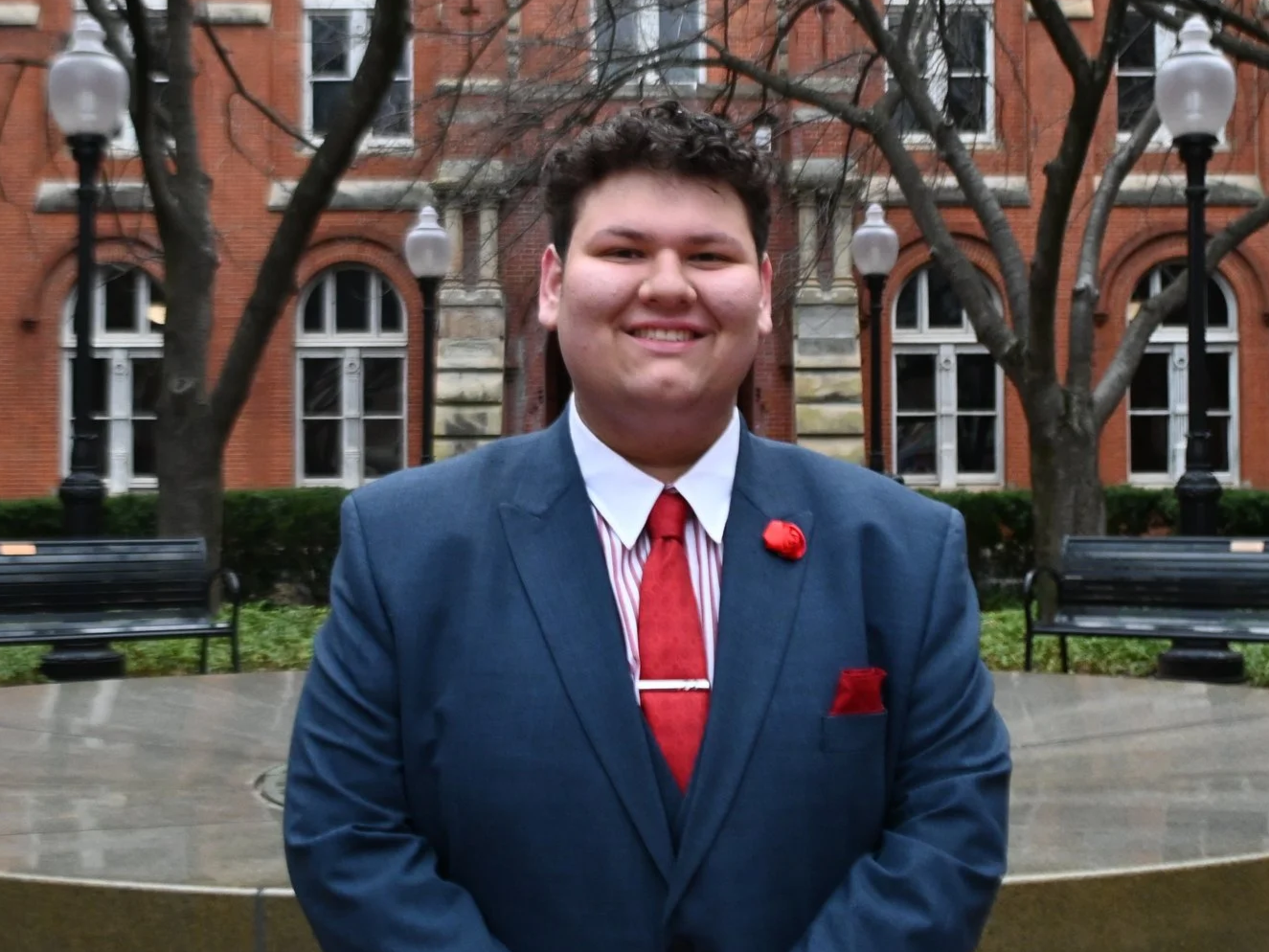
Sven Stumbauer
UNDER SECRETARY-GENERAL
Sven Stumbauer is a member of the class of 2029 in Georgetown’s Walsh School of Foreign Service. He is honored and grateful to be your USG of Cabinets this year and can’t wait to see you in what’s sure to be the best NCSC yet.