THe United States Congress
If You or a Loved One was Diagnosed with Newt Gingrich, You May be Entitled to Financial Compensation: The Republican Revolution, Congress 1994
Can Congress survive?
or will they crumble?
“A bloody revolution dealt irrevocable casualties to American bipartisanship and political harmony.”
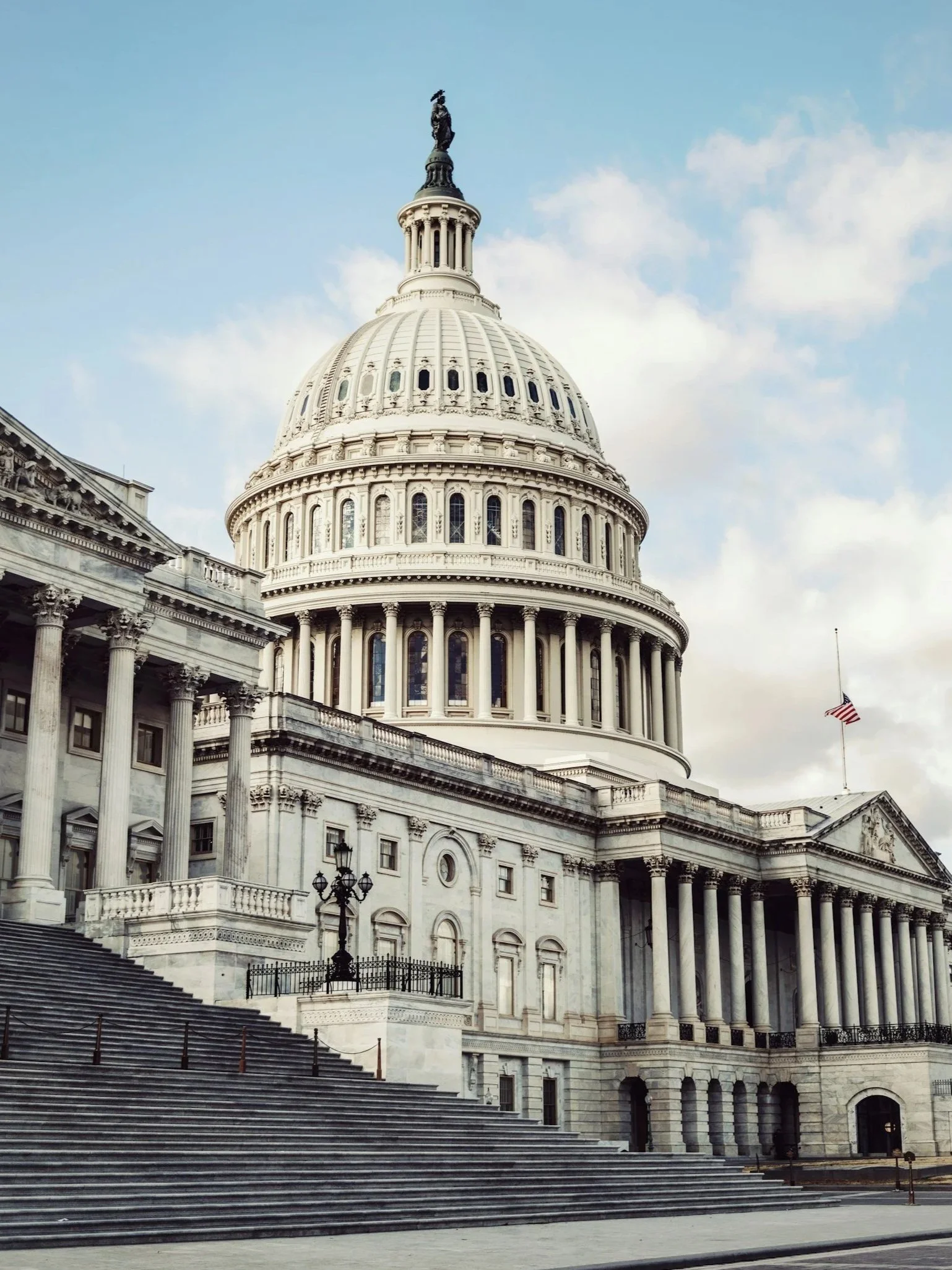
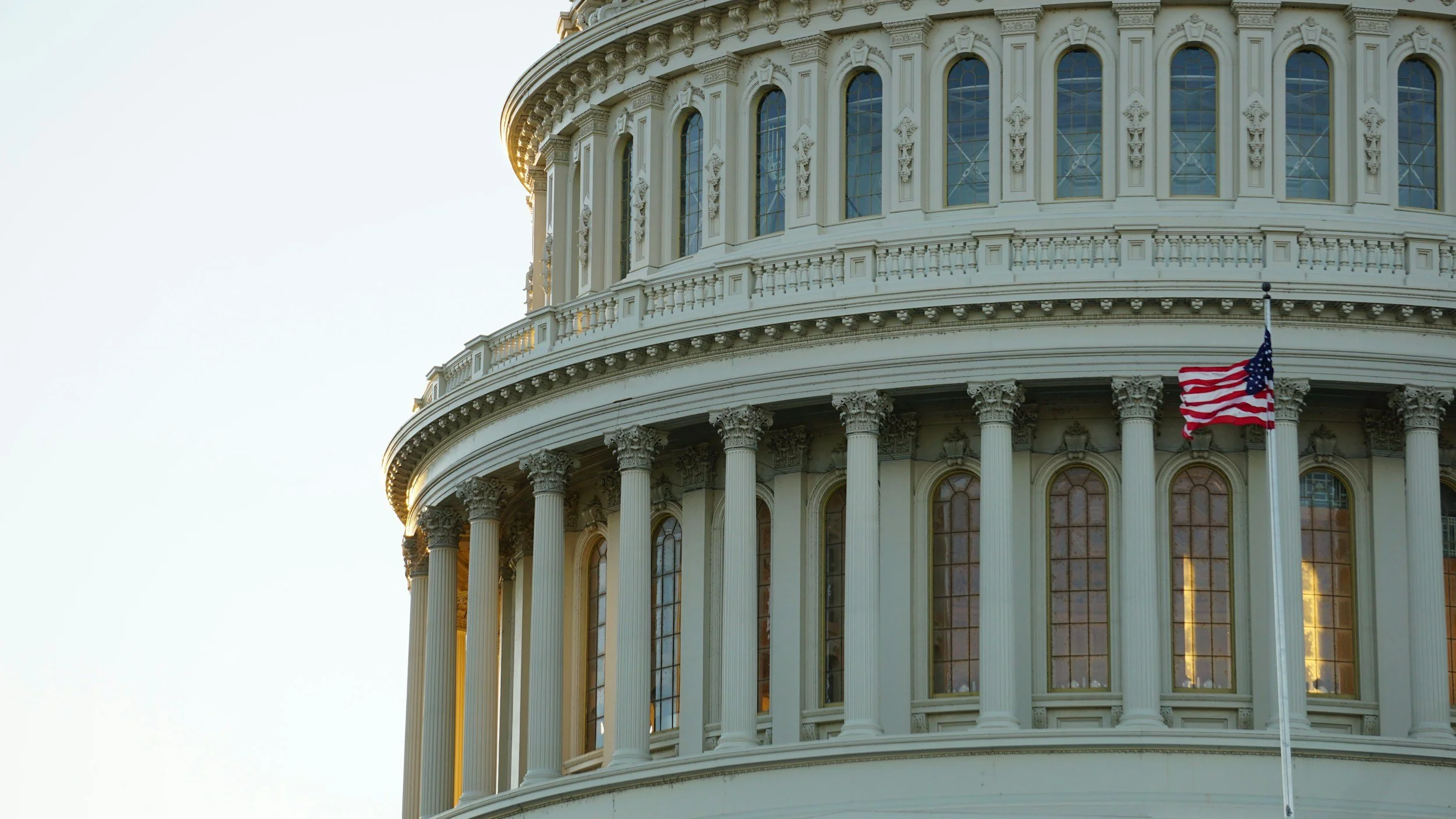
In 1994, a bloody revolution dealt irrevocable casualties to American bipartisanship and political harmony. Dubbed the “Republican Revolution” by contemporary commentators, the overturning of the House for the first time in 42 years, a net gain of 54 seats in the House of Representatives, and a pick-up of eight seats in the Senate amounted to nothing less than a political upset, spearheaded by none other than Newt Gingrich. Gingrich’s adroit political strategy is transforming politics: flashy showmanship and (mis?)use of “good government” reforms in the post-Watergate era. Perhaps the most substantively significant aspect of his leadership is his ongoing promotion of the 10-point “Contract with America,” a legislative agenda outlined by the Heritage Foundation and touted throughout the 1994 election. Slashes to social services, drastic changes in the House and Senate rules, and a disruption of professional norms in Congress followed suit. It is now January 21, 1995.
Democrats and Republicans must navigate the difficulties of actually implementing (and fighting against) such a vast agenda. As both parties struggle to identify what defines them, can either party or either chamber overcome infighting enough to debate the nation’s most pressing issues? Was the Republican Revolution a fluke, or is there a deeper commentary on America’s dissatisfaction with both existing parties? Can Congress survive navigating these domestic pressures while legislating effectively, or will they crumble to the most extreme voices and rocket to stardom?
A Note on procedure:
The Congress is a joint in-room crisis and GA style committee. The Senate, representing a more individualistic, deliberative body that was historically less impacted by which party was in the majority, will be modeled as a General Assembly-style committee. The House, on the other hand, with a more reactive and populist undertone, will face more rapid directive cycles responding to not just the proposed Contract with America, but also the various events happening within and outside of the hallowed halls of the U.S. Capitol. A full procedure guide will be posted with the background guide.
Welcome to DC
As both parties struggle to identify what defines them, can either party or either chamber overcome infighting enough to debate the nation’s most pressing issues?
What will you do?
Meet the Team
-
![]()
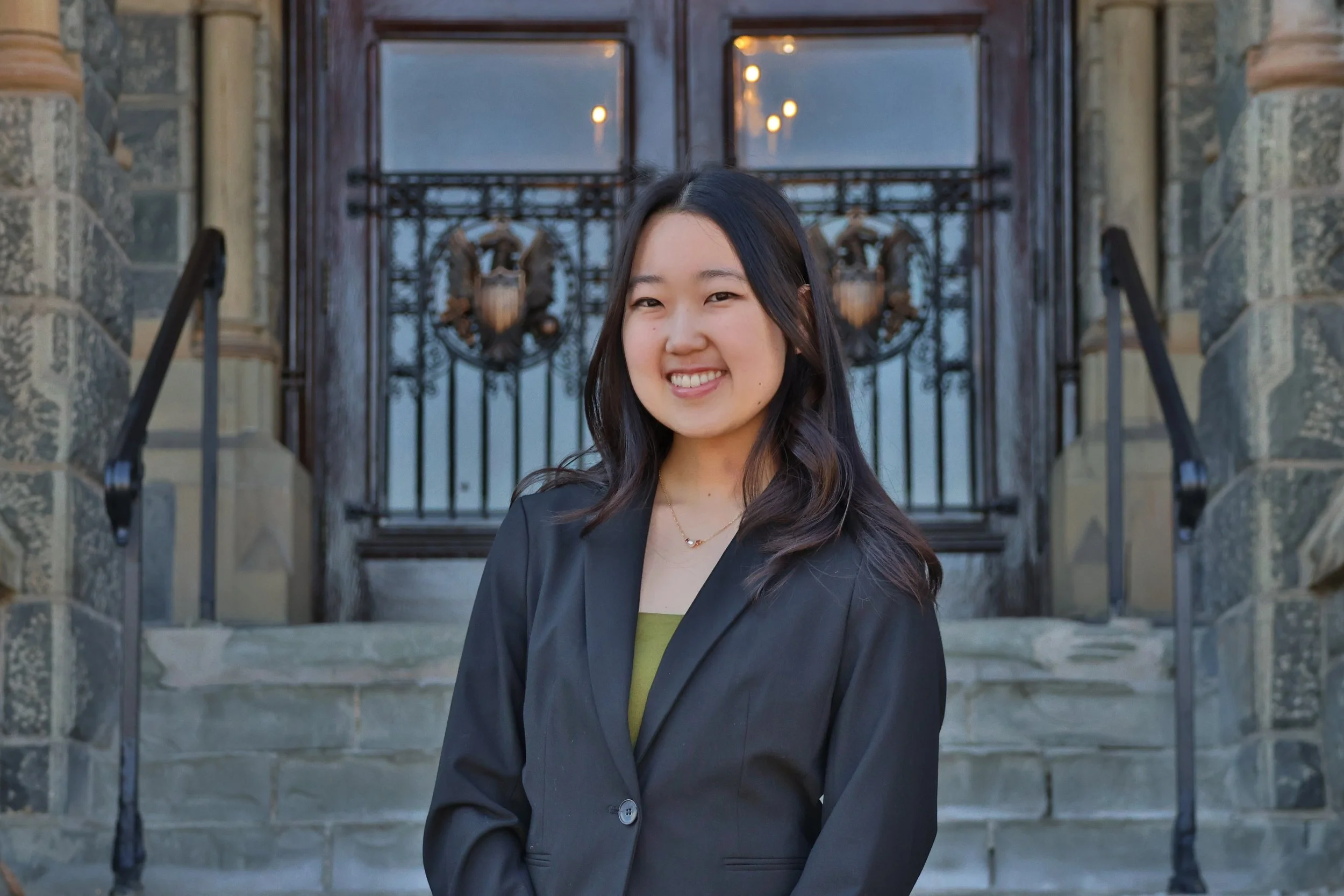
Saki Saito
SENATE CHAIR
Saki Saito is a member of the Class of 2027 in the College of Arts and Sciences, majoring in Economics and minoring in Environment & Sustainability and Global Health. While originally from Japan, she grew up in the Philippines and is excited to explore the political and economic security of the Indo-Pacific region. Last year, she served as a member of NCSC LI’s secretariat as the Director of Philanthropy, running fundraising events and selling candygrams throughout conference weekend. Outside of MUN, she is involved with Georgetown Eco Consultants and Sexual Assault Peer Educators, and loves to play the piano and watch soccer in her free time.
-
![]()
Annabelle Kim
SENATE CO-CHAIR
Annabelle Kim is a Public Policy and Economics major in the College of Arts and Sciences, class of 2027. She calls the San Francisco Bay Area home–Pleasanton, CA to be specific. At Georgetown, Annabelle is involved in the Student Advocacy Office, the Georgetown International Relations Association, and GU Eating Society. She regularly volunteers with (read: is bullied by) preschool children. When not staring at a small or medium screen, Annabelle occupies her time by paying a lot for artisan coffee. In her next life, she would like to be reincarnated as a street cat. Annabelle said she would quit MUN after high school, and has previously served as USG of Non-Traditionals for NCSC LII, where she piloted the Senate committee. After chairing the Senate again at NCSC LIII, she is thrilled to be back to chair the Senate Congress!
-
![]()
Rougi Bah
HOUSE CHAIR
Rougiatou is a member of the Class of 2029 at the McDonough School of Business, double majoring in Finance and International Political Economy & Culture with a minor in Marketing. A proud New Yorker through and through, she has been competing in Model UN since her freshman year of high school, where she discovered a deep passion for international affairs and built friendships that have followed her ever since. At Georgetown, she serves as Co-Director of Finance for the university's competitive traveling MUN team. Outside of committee rooms, she stays busy supporting international startup developments and conducting research for consulting pitches. When she finally gets a moment to herself, you can find her treating the campus kitchen like it's the Last Supper, hunting down the perfect interior design piece for her dorm, getting lost in her latest Kindle obsession, grinding through the daily NYT Connections, or rewatching reruns of The Pitt. As your chair, she is excited to see all the creative and bold ways delegates argue their case, so come prepared, come sharp, and bring your best.
-
![]()
Lilly Vickerman
HOUSE CO-CHAIR
Lilly Vickerman is a Mathematics and Economics major in the College of Arts and Sciences class of 2028. She is originally from Toronto, Canada, but went to high school in DC. She competed in Model UN throughout high school and her first year of university but now loves working on the secretariat side of things. Outside of MUN, Lilly loves to ski, read, try different foods (especially tiramisu or pho), and go to the gym!
-
![]()
Yaya Hang
HOUSE CRISIS MANAGER
Yaya Hang is a member of the Walsh School of Foreign Service Class of 2028, studying International Politics, and minoring in Philosophy and Spanish. She is from Highland Park, NJ, where Earle Dickson invented the Band-Aid to help his wife, who frequently cut herself while cooking. She competed in Model UN throughout high school, which inspired her interest in international law. Now, she has stepped away from competition and dedicates her time to organizing and staffing conferences for delegates. Besides Model UN, Yaya loves to run, ski, hike, and play soccer.
-
![]()
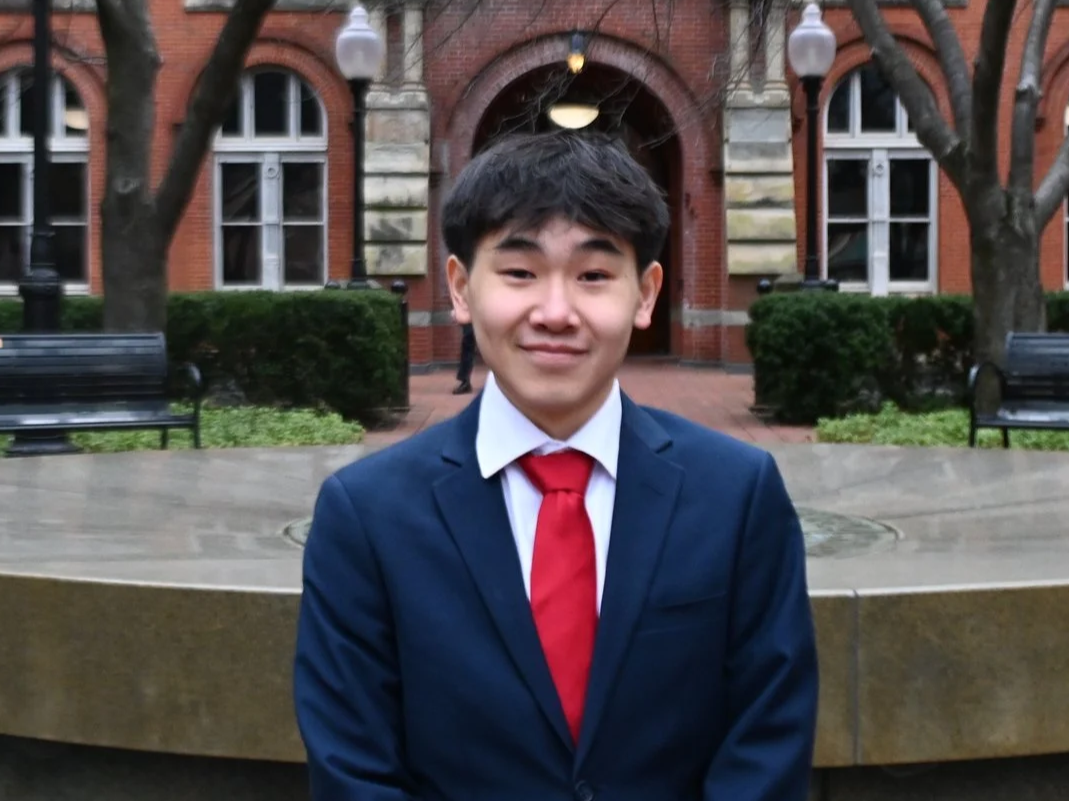
Johnson Lin
UNDER SECRETARY-GENERAL
Johnson Lin is a member of the Walsh School of Foreign Service Class of 2029 studying International Politics. He cannot wait to serve as USG of Specialized, NCSC’s newest and clearly best organ, and looks forward to welcoming all of you to NCSC in the fall!